
On the way to the Circular Economy Act
The European Commission has announced the Circular Economy Act for the autumn. Through a series of publications, the law is getting clearer contours.

The European Commission has announced the Circular Economy Act for the autumn. Through a series of publications, the law is getting clearer contours.

A study shows economic weaknesses in European battery recycling and examines approaches for sustainable cycles.

Many circular economy technologies and business models have passed the pilot phase, but their scaling often fails due to regulatory fragmentation, weak markets for secondary raw materials and a lack of data interoperability.

Europe's cities are driving the transition to a circular economy. But there is still a clear gap between am-bitious goals and reality.

Austria has one of the most efficient waste management systems in Europe.

The transformation to a circular economy requires enormous investments in energy-efficient processes, sustainable production systems and new business models.

The directive for waste electrical and electronic equipment is getting on in years. For some time now, Brussels has been working on a revision.

Currently, considerable quantities of critical raw materials are lost, as vehicle electronics have so far mainly been shredded together with end-of-life vehicles.

Growing material inventories make it difficult to close material cycles.

Technically, there are many prerequisites for a European circular economy. Regulation, demand and infrastructure are slowing down the plan to scale these processes.
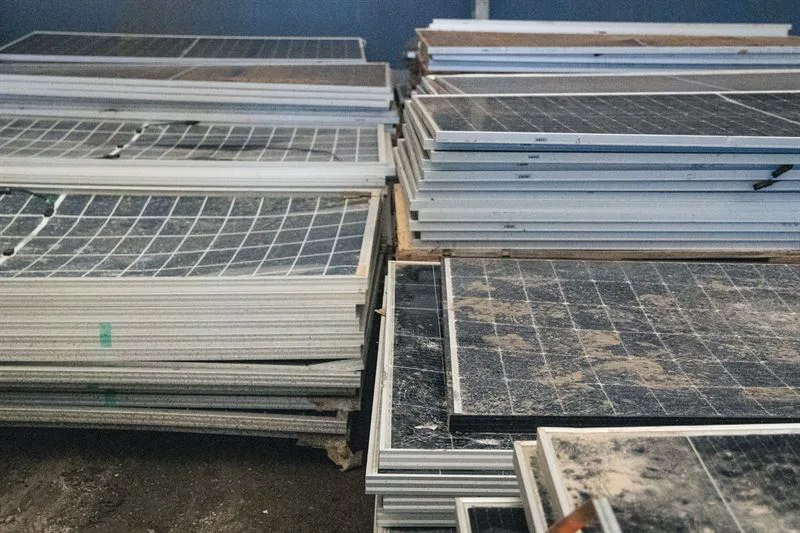
Sweden could need to manage up to 150,000 tonnes of end-of-life solar panels annually by around 2060.

Waste electrical and electronic equipment has considerable potential for the recovery of critical raw materials. However, there are still considerable gaps between technical feasibility and industrial implementation.
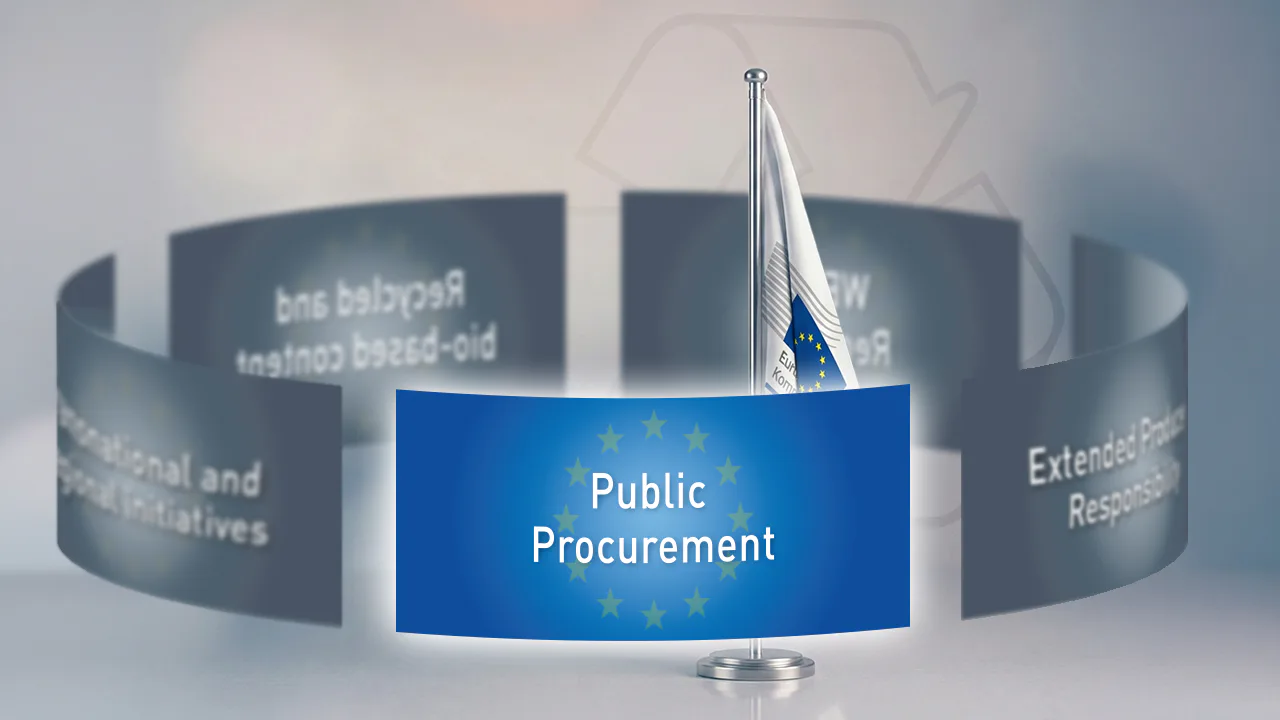
Technical solutions for circular public procurement are widely available in Europe. However, their systematic application falls short of the possibilities.

Technical solutions for a more efficient circular economy are already well developed in many areas. However, regulatory fragmentation and a lack of economic incentives make their widespread application difficult.

Energy-intensive industries are at the heart of European climate, environmental and industrial policy.

New recycling requirements in Brazil, Chile and Colombia are increasing demand for recycled plastics and investment in processing capacity.

The reuse of concrete components is considered one of the most effective levers for reducing CO₂ emissions in the construction industry. But how can it be ensured that dismantled elements remain durable and load-bearing even in a second phase of life?
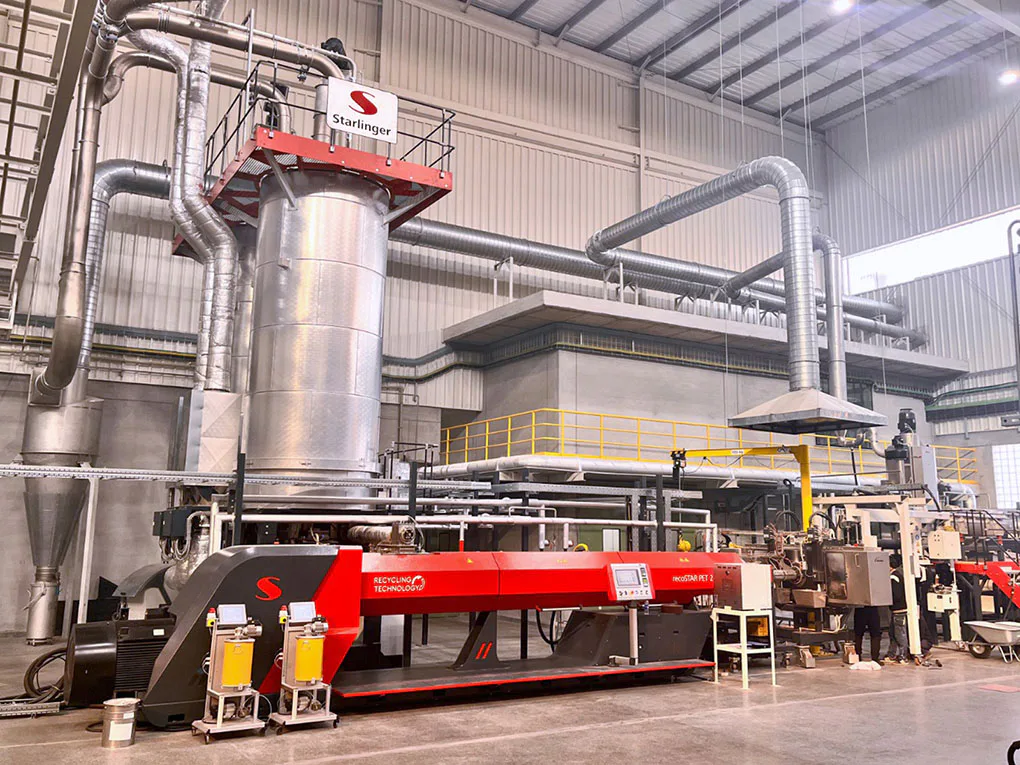
Pakistan-based PET producer Novatex has commissioned a bottle-to-bottle recycling plant near Lahore with an annual production capacity of more than 24,000 tonnes of food-contact recycled polyethylene terephthalate (rPET).

The environmental debate has shifted fundamentally in recent years.
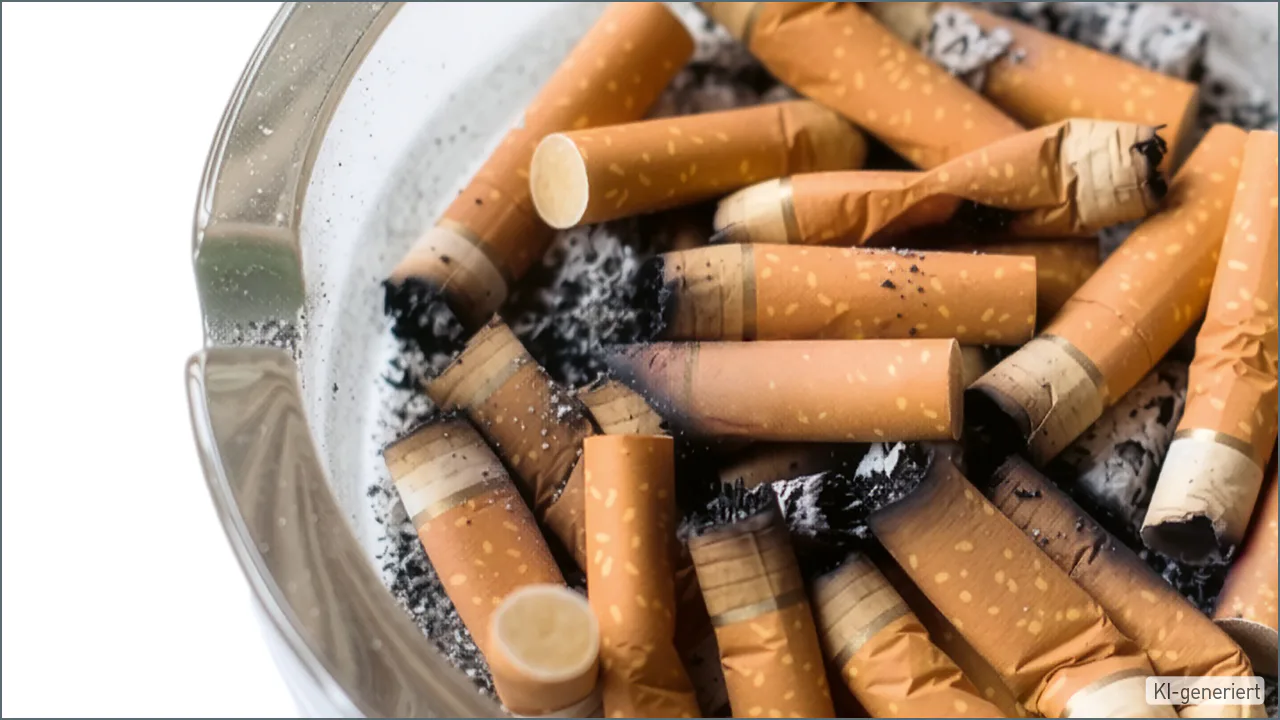
Every year, trillions of cigarette butts are carelessly disposed of worldwide. This results in an enormous plastic stream with toxic pollution that hardly anyone notices.

Prices of recycled commodities such as metal scrap, plastics, aggregates, paper and cardboard have dropped significantly, yet the cost of processing recyclables has remained steady or even risen due to the higher prices of fuel raw materials.